
Hood Industries Announces Plywood Mill Closure In Mississippi
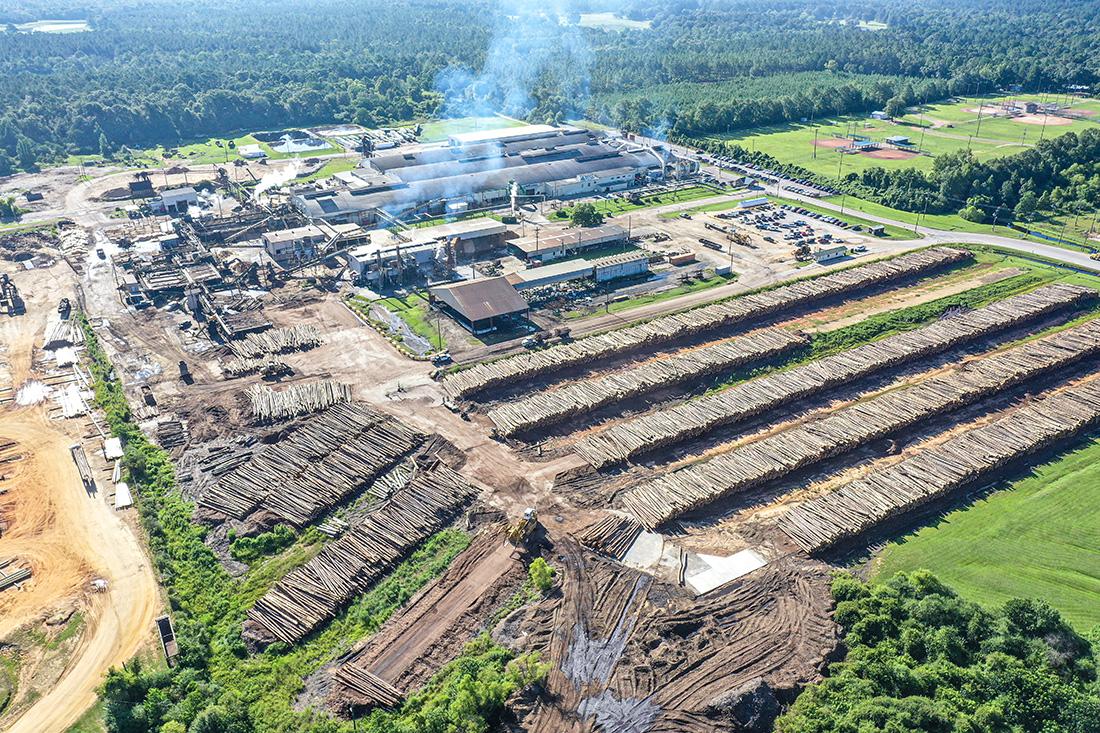 Hood Industries has said it is closing its plywood mill in Wiggins, Miss., which Hood has operated since 1984 and was started up in 1971 by International Paper.
Hood Industries’ closure at Wiggins will affect approximately 260 employees. Facility-wide meetings were held with employees to share the news and explain that the decision followed a comprehensive assessment of the extensive damage caused by Tropical Storm Arthur in mid-June.
“After a thorough assessment, we determined that the damage caused by the recent storms, combined with the age of our 56-year-old facility, would require an investment that is not economically feasible. As difficult as this decision is, repairing and restoring the mill is not a sustainable option,” Hood Industries President Jay Galloway told employees. “We have made the decision to close the mill.”
The Wiggins plywood mill was built in 1970 by International Paper and was acquired by Hood Industries in 1984, becoming the company’s second and largest plywood manufacturing operation. Hood acquired the former Weyerhaeuser plywood mill in Beaumont, Miss. a year earlier.
“This was not an easy decision for us to make. We are well aware of the impact this decision will have on the Wiggins employees, their families and community,” Galloway said.
Operations are expected to conclude after the remaining inventory is processed, with the mill anticipated to cease manufacturing operations by the end of August.
Hood Industries is currently starting up a $200 million investment rebuild of its plywood mill in Beaumont, after the existing operation sustained heavy damages following a tornado in 2022.
Latest News
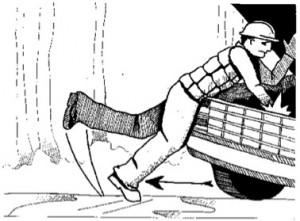
FAILURE TO LOCKOUT CAUSES FINGER LACERATION
BACKGROUND: On a mild winter day in the Lake States, a chipping crew was harvesting a stand of aspen. The skidder operator stopped to tell his supervisor that the oil pressure light was blinking on…
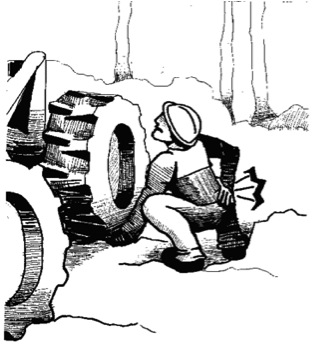
REMOVING SKIDDER TIRE CAUSES BACK STRAIN
BACKGROUND: A skidder operator in the Lake States was skidding hardwood logs when his tire went flat. A repairman arrived on the site to replace the deflated skidder tire. PERSONAL CHARACTERISTIC: The skidder operator was…
Have A Question?
Send Us A Message