
No Weight Increase For Alabama Trucks
A bill that was originally written to allow log trucks to carry more weight per axle on Alabama highways, as sought by the state’s forest products sector, underwent substantial changes in the Alabama Senate in April. It will no longer increase weight limits.
The original bill found opposition from the Alabama Dept. of Transportation and the Assn. of County Commissions of Alabama, among other groups that publicly argued that higher axle load weights would damage roads and bridges and lead to increased maintenance costs. A compromise version of the bill, which does not change log truck weight limits, passed the Senate unanimously and will now advance to the Alabama House.
Instead of increased axle load limits, the revised bill aims to address another logging industry concern: Lost time from waiting for roadside inspections and weight scales. The amended bill, sponsored by Sen. Jack Williams, R-Georgetown, limits state inspectors to no more than five trucks pulled over for weighing and inspection at any one time. Existing law imposes no limit, with some reports of 20 or more pulled over at a time.
According to Williams, loggers cannot afford such long delays, stating that they generally need to haul three loads a day just to break even and four loads a day to make even a small profit.
In its current form, the bill also seeks to streamline the process for truck owners/operators to get a ticket dismissed in cases when a weigh-in by permanent scales shows that the portable scales were inaccurate.
Sen. Clyde Chambliss, R-Prattville, a civil engineer who opposed increased axle weight limits, worked with Williams to amend the bill. Chambliss says the state has already long since increased tandem axle weights above what engineering data suggests it should be, and he feared a further increase would significantly damage roads and bridges.
The University of Alabama’s Transportation Institute reviewed ALDOT’s findings and agreed that increased axle loads would stress bridges by exceeding design limits and shorten their lifespans of steel and concrete components, requiring either weight restrictions on bridges or new investment to strengthen bearings, especially on older bridges.
Chambliss saw the five-truck line limit for weighing and inspection and the streamlined the appeal process as a logical compromise that would benefit everybody, the public and loggers alike.
Latest News
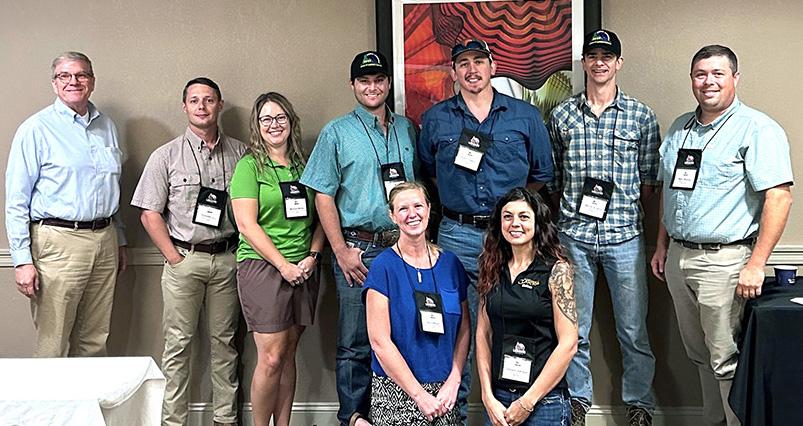
American Loggers Council Launches Young Leaders Program
Established in 1994, the American Loggers Council (ALC) is the national voice of professional loggers, representing all 50 states, focusing on federal policy, forest health, and workforce support, ALC serves as a unifying force the industry. With its mission and focus...
Harrigan Lumber Cuts Production In Half
Monroeville, Ala. Southern yellow pine producer Harrigan Lumber Co. announced in December that it would reduce production levels by 50% and lay off 34 employees, effective immediately. The decision came in response to continued market pressures impacting the SYP...
Have A Question?
Send Us A Message