
Safety Inspections, Maintenance
Frequent inspections of logging equipment are essential not only to the well being of your crew, but also to efficient, issue-free operation of your machines. These often-overlooked practices can be some of the simplest elements in your machine upkeep program.
Here are some tips to help you ensure operator safety, prevent fires and keep your equipment working efficiently. Most inspections can be conducted monthly, but they may be needed more often, depending on operating conditions.
Operator’s Environment
Check the polycarbonate windows of the cab for both effective protection and good visibility. Make sure all windows are in place, intact, and not gouged, cracked or seriously scratched. Gouges, cracks and deep scratches can compromise a window’s integrity, and increase the likelihood of windows breaking or shattering upon impact with branches or other objects.
Wash the windows with a cleaning solution approved by the machine’s manufacturer. All polycarbonates are not the same, even on similar models from the same manufacturer. So be sure to check each machine’s manual to be sure you use a solution that will not scratch or compromise the integrity of windows.
Inspect screen guards over the windows and cab openings. Be sure they’re secure and in good condition.
Check handholds around the cab and service areas to make sure they’re secure.
Check steps on cabs and walkways. Non-skid surfaces must be intact. If non-skid material is worn or missing, your dealer can repair or replace it.
Inspect operator seat belts and safety harnesses and make sure your operators are using them properly.
Inspect fire extinguishers and water tanks to be sure they’re operable and easily accessible. Check the water pressure of the tanks.
Pans, Shields, Guards
Each of these essential safety components should be checked at least monthly, but your operating conditions may call for more frequent inspections. In hardwood forests, for example, autumn leaves can accumulate quickly in belly pans and need to be cleaned out often to minimize fire risk.
Clean out the pans, shields and guards as necessary with compressed air or a pressure washer. Clean, debris-free equipment makes it easier to detect minor fluid leaks and other small problems before they become big problems.
Make sure all guards are securely in place and are not bent.
Felling Heads
Debris in felling heads can affect performance and can generate system heat. It can block or break fittings; force hydraulic hoses out of position and cause unnecessary wear on parts; so it’s important for both operators and maintenance crews to be on constant alert and to remove debris as soon as it begins to accumulate.
Latest News

Young Logger Proposes at the Mid-South Forestry Equipment Show
Story submitted by L&S Logging L & S Logging - established Sept 8, 1998 (23 years)Owners: Larry and Samantha (Sam) WinsteadPhiladelphia, MS Children: Cas, 27, Abby 24, and Luke 16 Cas has loved logging all his life and has worked his summers driving a skidder...
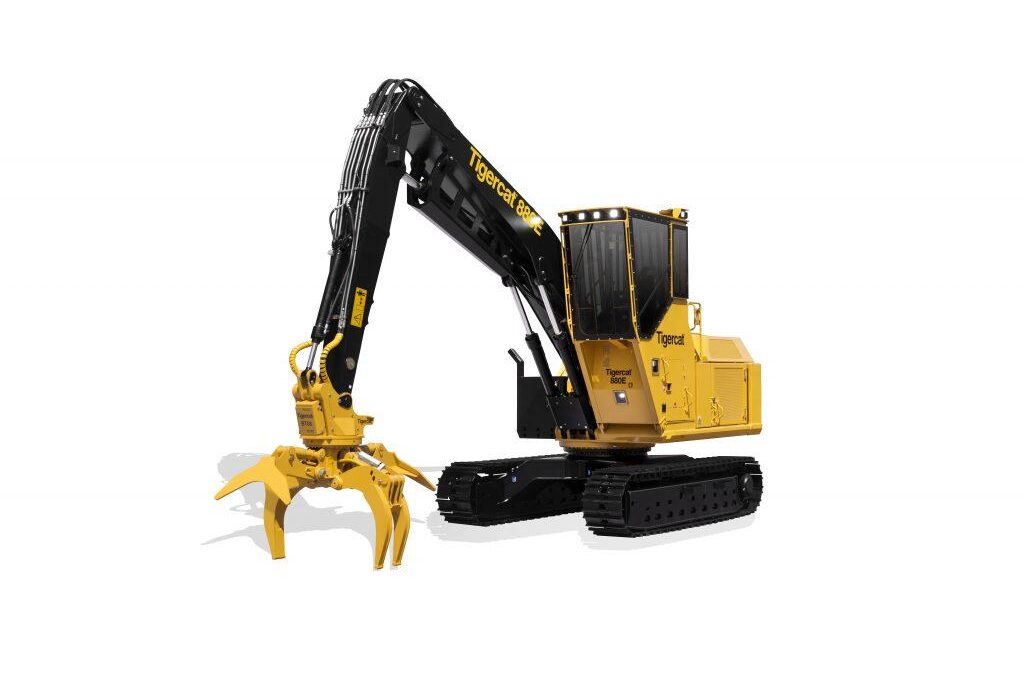
New From Tigercat: 880E Logger
The 880 series logger from Tigercat is a multi-purpose forestry carrier that can be configured for loading, shovel logging or processing applications. The 880E is powered by the Tigercat FPT N67 engine, producing 230 kW (308 hp), the machine introduces several new...
Have A Question?
Send Us A Message